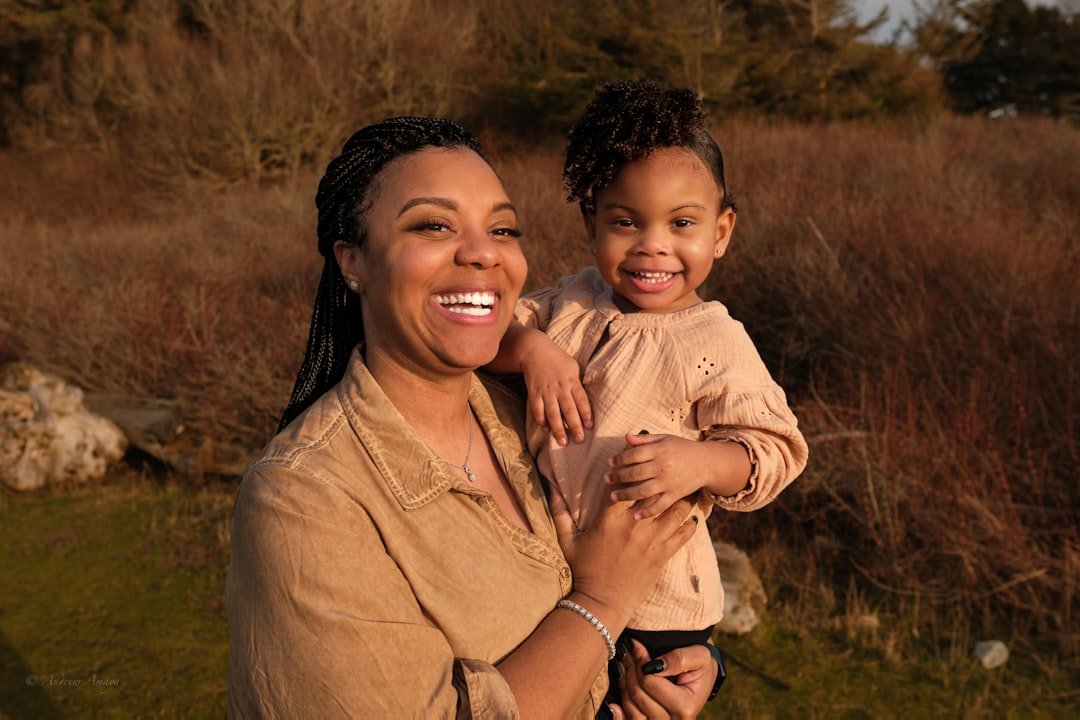
The act of writing, particularly in the context of personal narrative, functions not merely as a transcription of events but as a dynamic process of self-discovery and emotional integration. For women who have navigated significant personal adversity, including single mothers who often prioritize the needs of others above their own introspective journeys, the creation of a written record can be transformative.
This process is less about the eventual published product and more about the internal reordering of experience, the meticulous unpacking of memory, and the deliberate construction of a coherent personal history. In this context, writing is a structured approach to healing, a systematic method for processing trauma, and a foundational practice for reclaiming individual agency. It is a sanctuary where the fragmented pieces of a lived experience are gathered, examined, and reassembled into a narrative that illuminates meaning and purpose.
The Archetype of the Resilient Woman
The women drawn to this practice often embody a specific archetype: that of the resilient individual who has endured significant emotional and circumstantial challenges. These individuals frequently carry a reservoir of untold stories, narratives that, due to various societal pressures or personal coping mechanisms, have remained unarticulated.
The suppression of these narratives can lead to feelings of being “stuck” or “silenced,” contributing to a sense of emotional fragmentation. The decision to engage with writing, therefore, represents a conscious choice to disrupt this pattern, to move from a state of passive endurance to active creation. It is a recognition of an internal call to transform personal pain into a source of strength and purpose, often for the benefit of themselves, their children, and potentially a wider audience.
This journey is characterized by a deep-seated desire not just for survival, but for thriving, for the articulation of a personal philosophy forged in the crucible of experience.
In the journey of self-discovery and personal growth, the article “Every Sentence is a Step Toward Wholeness – Explore how each line you write helps you come home to yourself” resonates deeply with the insights shared in another valuable resource. For those looking to enhance their writing and creative expression, the services offered at Edicyon provide a supportive framework that encourages individuals to explore their thoughts and emotions through the written word.
By engaging with these services, you can further your understanding of how each sentence contributes to your journey of self-acceptance and fulfillment.
The Labyrinth of Memory: Emotional Clarity as a Compass
The journey of self-discovery through writing inevitably requires an engagement with memory, which can be likened to navigating a labyrinth. Without a reliable compass, one risks becoming lost in the complexities and emotional charge of past events. Emotional clarity, in this metaphor, serves as that compass, guiding the writer through potentially challenging terrain. This involves not only recalling facts but also understanding the emotional residues attached to those facts.
Deconstructing Emotional Residues
Emotional clarity initiates with the identification and differentiation of various emotional states associated with specific memories. This often involves moving beyond surface-level reactions to uncover deeper, sometimes unconscious, emotional patterns.
For instance, a memory of a past relationship may initially evoke anger, yet upon closer examination, reveal underlying feelings of betrayal, grief, or even unacknowledged fears of abandonment. The act of writing provides the necessary distance to observe these emotions objectively, to name them, and to understand their origins without being overwhelmed by their intensity. This deconstruction process transforms amorphous feelings into discernible components, enabling a more precise understanding of their impact on the self.
The Art of Witnessing One’s Own Narrative
Central to achieving emotional clarity is the practice of self-witnessing. This refers to the capacity to observe one’s own experiences, thoughts, and feelings without judgment. It is a detachment that allows for profound insight, much like an anthropologist studying a cultural artifact.
When applied to personal narrative, self-witnessing enables the writer to confront difficult truths, acknowledge past mistakes, and recognize personal strengths without succumbing to self-criticism or self-aggrandizement. The written word becomes a mirror, reflecting insights that might otherwise remain obscured. This process fosters a nuanced understanding of one’s own motivations and the motivations of others involved in their narrative, leading to a more compassionate and comprehensive self-perception.
Soul-Centered Writing: From Experience to Essence

Soul-centered writing is an approach that transcends mere factual recounting, delving into the deeper meaning and spiritual resonance of lived experiences. It is a deliberate choice to imbue writing with authenticity and emotional depth, transforming raw experience into insightful narrative. This form of writing facilitates a reconnection with one’s intrinsic self, a return to the “home” of one’s core identity.
The Alchemy of Pain into Purpose
A core tenet of soul-centered writing is the alchemical process of transforming pain into purpose. This involves consciously reframing past hardships not as immutable burdens but as foundational elements of one’s character and narrative. For women who have experienced significant heartbreak and hardship, this reframing is a powerful act of empowerment. It posits that every challenge contains a lesson, every wound a potential source of wisdom. By articulating these transformations through writing, individuals can identify recurring themes, recognize patterns of resilience, and articulate the specific insights gained from their struggles. This written articulation serves as a testament to their enduring spirit and a blueprint for future growth.
Crafting a Legacy of Authenticity
Soul-centered writing extends beyond personal healing; it becomes an intentional act of legacy building. When women translate their lived experiences into written form, they are not merely documenting events; they are crafting a narrative that speaks to their unique journey, their values, and their wisdom. This resonates particularly with single mothers, who often wish to leave a robust personal legacy for their children, not just of material possessions but of emotional fortitude and life lessons. The authenticity embedded in such narratives ensures that the legacy is genuine and impactful. It is a deeply personal testament that transcends familial boundaries, potentially offering solace and guidance to others who share similar experiences, ensuring that their journey creates a ripple effect of understanding and connection.
Writing as a Scaffold for Self-Reconstruction

The very act of writing, particularly when focused on personal narrative, builds a robust internal scaffold that supports the reconstruction of one’s self-identity. This scaffold is incrementally built with each sentence, each paragraph, forming a coherent structure that supports new perspectives and renewed self-definition. It is a deliberate process of constructing a more robust and resilient sense of self.
The Architectonics of Narrative Identity
Narrative identity theory posits that individuals construct an internalized story of the self, which integrates different aspects of their lives into a cohesive and meaningful whole. Each sentence written, each memory articulated, acts as an individual brick in the architectonics of this personal narrative. The writer becomes the architect, meticulously designing and constructing their self-story. This involves making deliberate choices about what to include, what to emphasize, and how to frame experiences. This active construction contrasts sharply with passive acceptance of a fragmented or externally imposed narrative. The written narrative becomes the blueprint for a newly defined self, one that is aligned with internal truths and aspirations.
Rewriting the Blueprint of Self
For many, particularly those who have felt “stuck” or defined by past traumas, the process of writing allows for a fundamental “rewriting of the blueprint of who they are.” This is not an erasure of the past but a reinterpretation, a redrawing of lines and perspectives. It involves identifying limiting beliefs, challenging previously accepted narratives, and consciously choosing to articulate a new self-perception. For example, a woman who previously identified primarily as a victim of circumstance might rewrite her narrative to emphasize her resilience, her agency in overcoming adversity, and her capacity for growth. This rewriting is a foundational shift, enabling a transition from a constrained past to an empowered future, with each written word serving as an affirmation of this new self-definition.
In the journey of self-discovery, the article “Every Sentence is a Step Toward Wholeness” emphasizes how each line you write can guide you back to your true self. This concept resonates with the insights shared in another enlightening piece that explores the transformative power of writing as a means of personal reflection and growth. By engaging with your thoughts and emotions through the written word, you can uncover deeper layers of your identity and foster a sense of belonging. For more on this topic, you can read about it in this related article that delves into the significance of writing in the quest for self-acceptance.
The Liberating Power of Articulated Truth
The culmination of this introspective and creative journey is the experience of liberation. When emotional truths are not only accessed but articulated, they lose their power to constrain or silence. This articulation, through the medium of writing, becomes an act of profound freedom, releasing the writer from the unspoken burdens of their past.
From Silenced Echoes to Resonant Voices
Many women, particularly those who have experienced hardship and heartbreak, carry narratives that have been silenced, either by external pressures or internal mechanisms. These untold stories exist as “silenced echoes,” reverberating within without a clear outlet. Writing provides that outlet, transforming these echoes into “resonant voices.”
The act of putting words to paper gives form and substance to what was previously amorphous and inexpressible. This empowers the writer to reclaim their voice, not just within the confines of their personal journal, but potentially in broader contexts, sharing their story and influencing others. The transition from silence to articulation is fundamentally liberating, breaking the chains of unspoken trauma and allowing authentic self-expression to flourish.
Establishing a Legacy Beyond the Self
Beyond individual liberation, the act of writing these personal narratives establishes a legacy that extends beyond the self. These stories, whether intended for private reflection, familial inheritance, or public dissemination, become powerful testaments to human resilience and the capacity for transformation.
For single mothers, in particular, these narratives can serve as invaluable guides for their children, imparting wisdom, demonstrating strength, and fostering a deeper understanding of their lineage. Furthermore, these stories contribute to a broader human narrative, offering insights into shared experiences of struggle, healing, and perseverance.
They are not merely personal accounts; they are contributions to the collective human story, offering hope and inspiration, ensuring that the lessons learned through hardship are preserved and transmitted for the benefit of future generations. This creation of a written legacy transforms private experience into a public resource, an enduring testament to the power of the human spirit.
FAQs
What does the phrase “Every Sentence is a Step Toward Wholeness” mean?
It means that each sentence you write contributes to your personal growth and self-understanding, helping you reconnect with your true self.
How can writing help someone come home to themselves?
Writing allows individuals to explore their thoughts and emotions, providing clarity and insight that fosters self-awareness and healing.
Is this approach suitable for all types of writing?
Yes, whether journaling, creative writing, or reflective essays, each line can serve as a meaningful step toward self-discovery and wholeness.
What are some benefits of using writing as a tool for self-exploration?
Benefits include improved emotional well-being, enhanced self-expression, greater mindfulness, and a deeper connection to one’s inner experiences.
Can this process of writing lead to long-term personal transformation?
Consistent writing and reflection can promote lasting changes by helping individuals integrate their experiences and develop a stronger sense of identity.